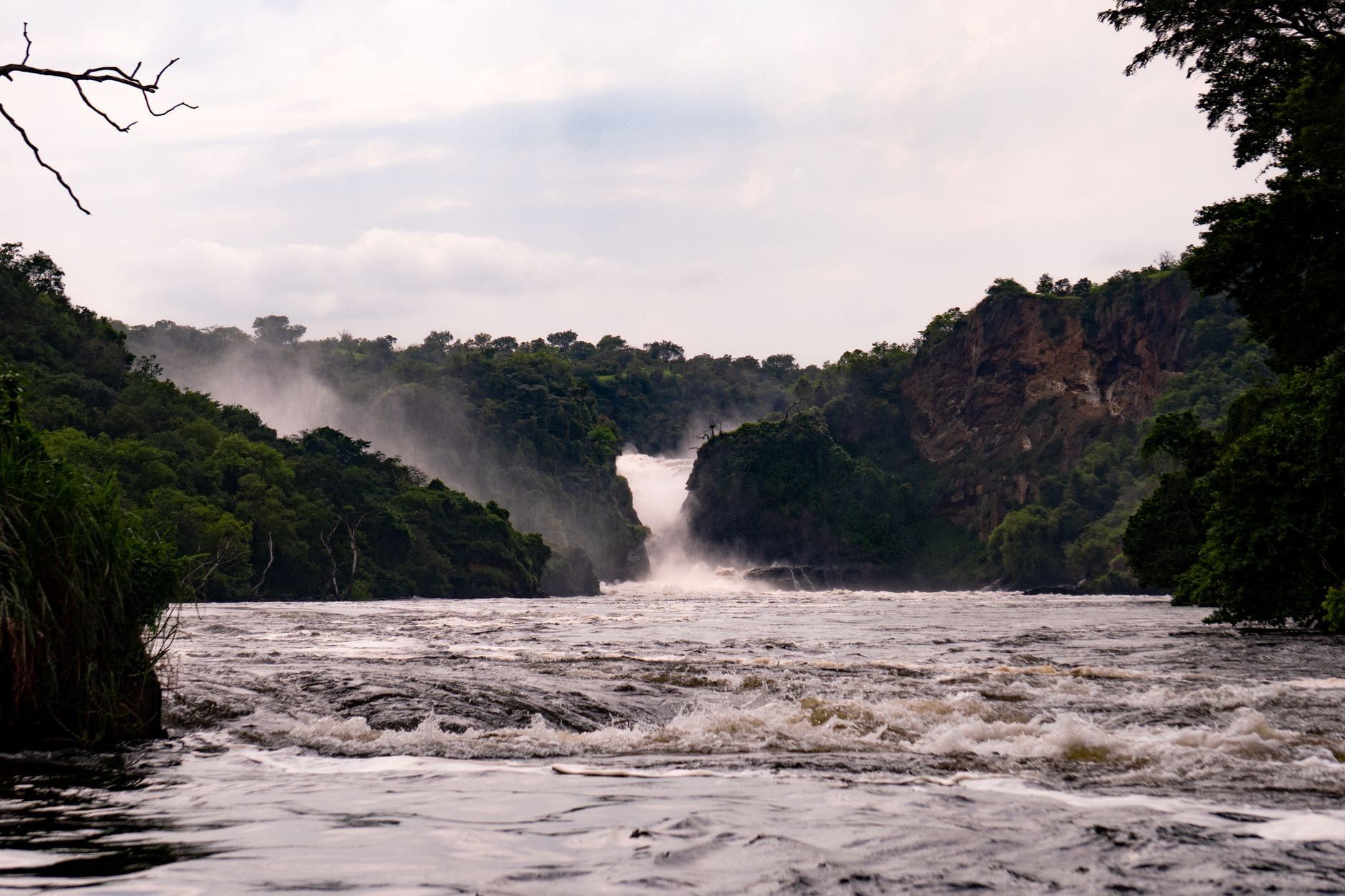
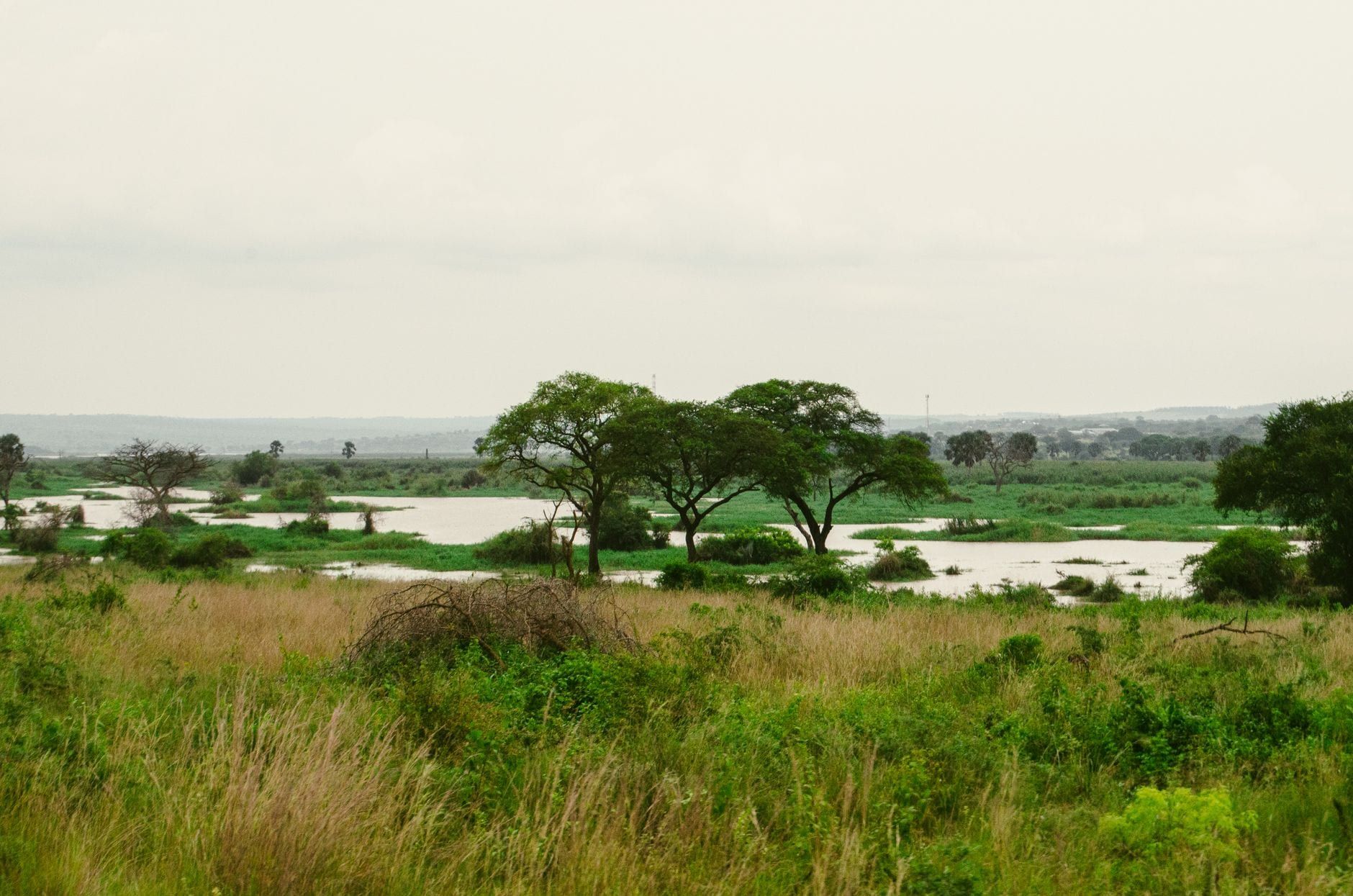
Murchison Falls National Park has around twenty lodges, camps and rest camps spread across both banks of the Nile, and the one you pick changes your safari more than any other decision you'll make. Rates run from roughly $40 a night for a banda or a patch of grass to well over $500 for a Nile-side suite, but price is only half the choice. The other half is geography: sleep on the wrong bank, or an hour's drive from the gate, and you'll burn safari hours you paid good money for.
This guide covers both variables. You'll get the lay of the land first — which lodges sit where, and how the Paraa crossing works — then profiles of the best properties tier by tier, indicative nightly rates, the UWA fees every guest pays on top, and when to book. Our fuller Murchison Falls safari guide covers the park itself; this one is purely about where to sleep.
How to Choose a Lodge in Murchison Falls National Park
Two decisions decide your booking: how much you'll pay, and which bank you sleep on. Get those right and the shortlist writes itself. Uganda's park accommodation divides into three tiers — luxury, mid-range and budget — and across three zones: the Albert Nile northwest, the Paraa/Victoria Nile centre, and the Kaniyo Pabidi forest on the Masindi road to the south.
The tiers map cleanly onto money. At the top end ($320-$850 per person per night) you get pool-and-spa hotel comfort or intimate canvas camps with wildlife on the lawn. Mid-range ($150-$240) buys solar-powered tents, en-suite cottages and often the park's best locations. Budget options (under $150, down to campsite rates near $40) include some genuinely well-placed properties — the cheapest bed in the park is 500 metres from the main jetty.
Then match the lodge to your trip. First-timers and photographers should sleep north, close to the Buligi game-drive tracks. Honeymooners will want Chobe or Nile Safari Lodge. Families do well at Murchison River Lodge, where staff know the drill with kids, or at the self-catering end of Red Chilli. Self-drivers should weigh gate proximity against in-park location, since a park this size punishes a bad base. If chimps are the point, sleep in Budongo Forest at the start or end of the trip rather than backtracking — more on all of this in the park overview.
Group size and stay length matter too. A two-night stay argues for one well-located lodge and no repacking; a longer trip can split nights between a north-bank game-drive base and a south-bank river camp, which is how you see both faces of the park without rushing.
Where the Lodges Sit: Sectors, Banks & Gates
The Victoria Nile cuts the park in half, and every lodge sits on one side of it or just outside a gate. The Masindi-Paraa-Pakwach road runs 87 km north-to-south through the conservation area, so "just outside" can still mean a serious drive — location is the difference between first light on the game tracks and first light on tarmac.
North Bank: The Game-Drive Heart
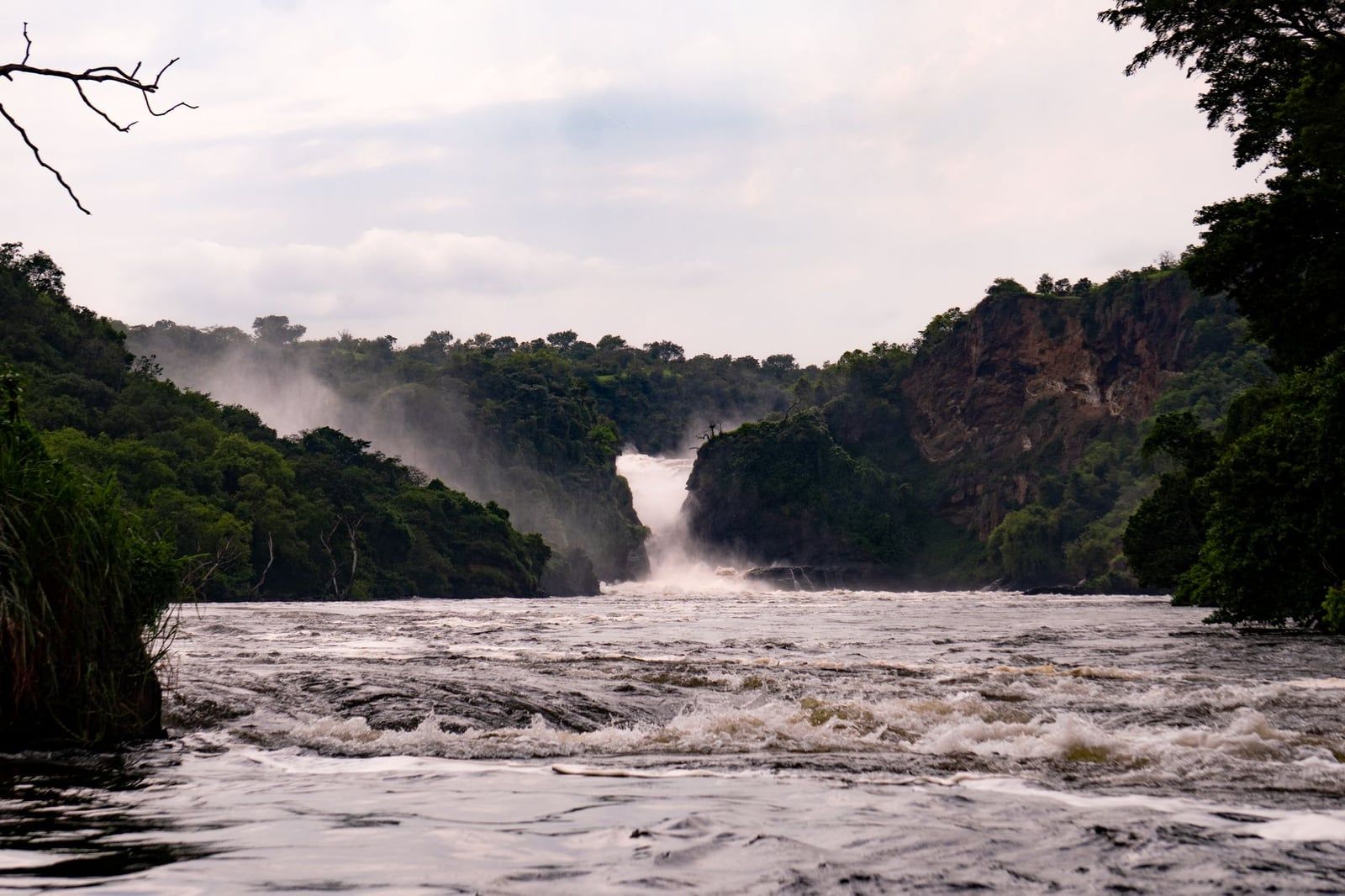
The north bank holds the Buligi Peninsula, the park's prime game-viewing country, and most of its big hotels: Paraa Safari Lodge, Pakuba Safari Lodge near Tangi Gate, and Chobe Safari Lodge to the east. If dawn game drives are your priority, this is the side to sleep on — you're on the tracks minutes after leaving reception.
South Bank: Closest to the Falls
South of the river you'll find Murchison River Lodge, Nile Safari Lodge, Baker's Lodge, Twiga and Sambiya River Lodge. This side is closer to the Paraa launch jetty for the boat trip to the bottom of the falls, to the top-of-the-falls viewpoint, and to the Kichumbanyobo gate if you're arriving from Masindi. The trade-off: every game drive starts with a river crossing.
The Paraa Crossing: Ferry or Bridge
For decades the Paraa vehicle ferry dictated everyone's day — crossings at 07:00, 09:00, 11:00, 12:00, 14:00, 16:00, 18:00 and 19:00, eight vehicles per trip maximum. Miss the last sailing and you slept where you stood. Since 2021 a concrete bridge has carried routine traffic, and the pontoon runs only during bridge maintenance or exceptional water levels. Confirm the current situation with your lodge before you plan crossings — and remember park gates open 7:00 AM to 7:00 PM with no exceptions, so late-evening arrivals need to be timed to the gate, not the bridge. Full routing details are in our guide to getting to Murchison Falls National Park.
Forest, Masindi Road and En-Route Stays
Budongo Ecolodge sits 8 km north of the Kichumbanyobo gate inside Budongo Forest, home to more than 600 chimpanzees — the obvious base if a chimp trek opens or closes your itinerary. Masindi town, on the surfaced highway, has cheap hotels for an overnight stop en route. North of the park boundary, Fort Murchison occupies the riverbank in the Aswa Lolim Wildlife Reserve and Heritage Safari Lodge sits about five minutes outside the gate; Amuka Lodge at Ziwa Rhino Sanctuary, roughly halfway from Kampala, makes a natural first night if you're tracking rhinos on the drive up.
Luxury Lodges on the Nile: Paraa, Chobe & the Flagships
Five properties define the top tier, and they're different animals: two classic hotels, an eco-luxury lodge, an intimate canvas camp and a new exclusive-use camp. What they share is river frontage and rates from roughly $320 to $850 per person per night. Here's how to tell them apart.
Paraa Safari Lodge
The park's classic hotel, established in 1954 on the north bank above the river. Its 54 rooms all have Nile-view balconies, and the outdoor pool appeared in the 1951 film 'The African Queen'. From around $320 per person per night, it's the most convenient full-service base for the Buligi tracks — you cross nothing to start a game drive.
Chobe Safari Lodge
Chobe is the five-star option: 36 guest rooms, 21 luxury tents, four suites and a Presidential Cottage, spread along a river bend on the north bank, with a three-tier pool, health club and spa. Honeymooners who want full hotel service — and don't mind being furthest from the main game sector — should book here. From about $330 per person per night.
Nile Safari Lodge
The eco-luxury flagship, reopened in 2017 on the south bank: eight bandas, six of them deluxe, plus a family banda sleeping up to eight with its own plunge pool. It runs on solar power with UV-filtered water drawn from the Nile, and the build uses natural materials throughout. At roughly $850 per person per night it's the most expensive bed in the park — you're paying for privacy, design and river frontage.
Baker's Lodge
Named after Samuel Baker, who named the falls themselves in 1864, Baker's opened in 2015 on the south bank with canvas-and-thatch rooms and direct river access. Hippos and elephants work the water's edge in front of the camp regularly. It's the pick for travellers who want small-camp intimacy without giving up proper beds and good food — intimate luxury rather than hotel luxury.
Papa's Camp
The new one, and the most interesting: five tents in a 350-sq-km low-use zone on the south bank, shared with no other camp. A recent census counted more than 45 lions in the area, so this is where to sleep if you want game drives with nobody else's vehicle in the frame. Exclusive use doesn't come cheap — from around $630 per person per night.
Best Mid-Range Lodges: Comfort Without the Price Tag
This is the tier most travellers end up booking, and rightly so — $150 to $240 per person buys solar-powered camps, pools, en-suite cottages and some of the best positions in the park. The six properties below are the strongest picks, north and south.
Murchison River Lodge
Family-run — founders Chris and Georgie still keep a hand in — and entirely solar-powered, on the south bank. Tents and cottages from around $240 per person per night. The detail that tells you where you are: staff escort guests to their tents after dark because hippos graze the grounds at night. That's not a flaw; it's the best wake-up call in the park.
Pakuba Safari Lodge
Pakuba occupies the site of a former state lodge that Idi Amin visited, on the Albert Nile near Tangi Gate in the northwest. It has a pool, simple rooms, and wildlife through the grounds — giraffes and warthogs are regulars. The position is the point: you're minutes from the Buligi tracks on the north side, at mid-range money.
Sambiya River Lodge
Sambiya sits on the south side roughly 15-20 minutes' drive from the top of Murchison Falls, making it the best-positioned lodge for the falls themselves and the drive-up viewpoint. From about $150 per person per night, with a pool and forest-edge grounds full of birds and monkeys. Kabalega Wilderness Lodge is a similar eco-cabin option on the same side if Sambiya is full.
Fort Murchison
Outside the northern boundary, on the Albert Nile in the Aswa Lolim Wildlife Reserve: 12 en-suite rooms plus simpler thatched tents, all built in Swahili trading-post style — thick walls, towers, a fort-like silhouette. Rates are lower than comparable in-park lodges because you're outside the gate. For a north-side itinerary built around Tangi Gate, the drive penalty is small.
Tilenga and Parkside: Gate-Side Value
Two budget-friendly options cluster near Tangi Gate on the Karuma-Pakwach road. Tilenga Safari Lodge is 1.7 km from the gate, from about $160 per person per night; Parkside Safari Lodge charges roughly $150 a night for its 11 rooms. Neither has river frontage, but both put you inside the game sector fast.
Twiga Safari Lodge
Eight canvas-and-solid cottages near Baker's on the south bank, from around $230 per person per night. A quieter alternative to Murchison River Lodge on the same stretch of river, with the same launch-jetty convenience.
Budget Lodges, Campsites & Community Stays
The under-$150 tier is where some of the park's best locations actually are — including its most central bed, at any price. Budget here doesn't mean a two-hour commute; it means simpler walls and shared showers, often a short walk from the river.
Red Chilli Rest Camp
The budget sweet spot, and the best-located cheap bed in the park: about 500 metres from the Paraa jetty, dead centre. Bandas, safari tents and camping space, sometimes with game wandering through the camp itself. Book it early — everyone on a shoestring wants it, for obvious reasons.
Budongo Ecolodge
A converted Jane Goodall Institute research station in the forest, 8 km from Kichumbanyobo gate: five cabins and four dormitory rooms from about $120 per person per night. If chimpanzee trekking is on your itinerary, a night here before or after saves a long drive each way from the river lodges. Dorm beds are the cheapest indoor sleep on the southern approach.
Campsites: Shoebill and Top of the Falls
Two proper campsites serve self-drivers and overlanders: Shoebill Campsite near the river, and a basic Uganda Wildlife Authority site at the top of the falls on the southern side. Bring everything — these are grass and a long-drop, not a resort — but waking to the falls' roar at campsite prices is hard to beat.
Heritage Safari Lodge and Boomu Women's Group Bandas
Heritage has seven deluxe cottages about a five-minute drive from the northern boundary — outside the gate, so cheaper, with easy Tangi access. At the southern end, the Boomu Women's Group runs community bandas near Kichumbanyobo gate, set up by local subsistence-farming women; the money stays in the village, and it's the most direct way your bed supports the communities around the park.
How Much Do Murchison Falls Lodges Cost?
Indicative per-person nightly rates across the tiers: Nile Safari Lodge around $850, Papa's Camp $630, Chobe $330, Paraa $320, Murchison River Lodge and Twiga $230-$240, Tilenga $160, Sambiya $150, Parkside about $150 for a room, Budongo Ecolodge $120, with budget bandas and campsites filling the space down to roughly $40. Rates move with season and how you book — direct, through an operator, or as part of a package — so treat these as planning figures and confirm current prices with the lodge.
What those rates include varies. Most mid-range and luxury lodges quote full board; camping and bandas often don't include meals at all. Nothing includes UWA fees, and this is where budgets blow up: every guest pays park entry separately, plus each activity on top. The official UWA Conservation Tariff (July 2024-June 2026) figures for foreign non-residents:
| Fee | Price | Notes |
|---|---|---|
| Park entry | $45 per adult | Valid 24 hours from entry; children 5-15 pay $25, under-5s free |
| Launch trip to the bottom of the falls | $30 | About 2 hours, up to 45 passengers |
| Top of the Falls hike | $15 | About 45 minutes from Baker Point |
| Top of the Falls viewing | $10 | Drive-up viewpoint alternative |
| Guided day game drive | $25 per guide | UWA guide in your vehicle |
| Night game drive | $40 | Only for guests sleeping inside the park |
Foreign residents pay $35 entry and discounted activity rates; East African citizens pay UGX 25,000. Foreign-registered saloon cars add $40 vehicle entry plus a $10 park surcharge. The full breakdown, including resident and EAC rates, is on our hours and fees page.
Run the numbers on a typical two-night mid-range stay for one foreign non-resident: $240 a night at Murchison River Lodge ($480), two days of park entry ($90), the launch trip ($30), the falls hike ($15) and a guided game drive ($25). That's roughly $640 per person before drinks, tips and transport — about a third of it in UWA fees your lodge rate never mentioned. Budget accordingly, or you'll be choosing between the boat and the falls hike at reception.
When to Book: Seasonality, Low-Season Rates & Availability
The dry seasons — December to February and June to September — are when wildlife viewing is best, murram tracks are passable and the lodges fill first. Book three to six months ahead for these windows, earlier for the small properties: Baker's, Twiga and Nile Safari Lodge have a handful of rooms each, and Papa's Camp has five tents. Whole-camp bookings eat the inventory fast.
The wet seasons — March to May and October-November — bring lower accommodation rates, fewer vehicles on the tracks and the park at its greenest. Some tracks get muddy and animals disperse, but the birding is excellent and lodge discounts are real. If your dates are flexible and your priority is value rather than peak game viewing, this is when to come. For how the days themselves shape up, our three-day Murchison itineraries show what a well-based stay actually looks like.
How you book matters less than when. Direct booking suits self-drivers and long-stayers; operators bundle lodge nights with vehicle entry and activity fees in one price, which removes the surprise on arrival — that's worth something in a park where fees stack the way they do here.
Frequently asked questions
Which side of the Nile should I stay on in Murchison Falls?
The north bank (Paraa, Pakuba, Chobe, Tilenga) puts you on the Buligi game-drive tracks, so dawn drives start at your door. The south bank (Murchison River Lodge, Nile Safari Lodge, Baker's, Twiga, Sambiya) is closer to the falls launch jetty and the top-of-the-falls viewpoint. Since the Paraa bridge opened in 2021, crossing between banks no longer depends on the old hourly ferry timetable — but confirm the crossing situation with your lodge, as the pontoon runs during bridge maintenance.
How much do lodges in Murchison Falls National Park cost per night?
Roughly $40 for budget bandas and camping to $500+ for luxury. Indicative per-person rates: Budongo Ecolodge from about $120, Sambiya $150, Murchison River Lodge $240, Paraa $320, Chobe $330, Papa's Camp $630 and Nile Safari Lodge around $850. UWA park fees and activities are always extra.
What is the best luxury lodge in Murchison Falls National Park?
Chobe Safari Lodge for five-star hotel service — spa, three-tier pool, Nile views. Nile Safari Lodge (around $850 per person) is the solar-powered eco-luxury flagship on the south bank. Baker's Lodge offers intimate riverside luxury with hippos at the water's edge, while Paraa Safari Lodge (established 1954, from about $320) is the historic classic with an 'African Queen' pool.
Is it better to stay inside the park or outside in Murchison Falls?
Inside, or right at a gate, saves hours of daily driving — the Masindi-Paraa-Pakwach road runs 87 km through the conservation area, so an outside base can cost you an hour each way. The offsetting upside is price: Fort Murchison (in Aswa Lolim Wildlife Reserve just north of the boundary), Heritage (five minutes from the gate) and Parkside (near Tangi Gate) all charge less than comparable in-park lodges. Masindi-town hotels work as an overnight stop en route.
When should I book a lodge in Murchison Falls?
Book three to six months ahead for the dry seasons of December-February and June-September, when the best lodges fill first. In the wet seasons (March-May, October-November) availability is easier and low-season rates appear. Small camps — Baker's, Twiga, Nile Safari Lodge, Papa's Camp — go earliest because they have so few rooms.
Do lodge prices include park entrance fees and activities?
No. UWA charges separately per the Conservation Tariff of July 2024-June 2026: $45 park entry per foreign non-resident adult per 24 hours ($35 foreign residents, UGX 25,000 East African citizens, under-5s free), plus the launch trip ($30), the top-of-the-falls hike ($15) and other activities. On a two-night stay these fees add up to a meaningful share of your total cost.
Can you see wildlife from the lodges in Murchison Falls?
Yes, and it's one of the park's best features. Pakuba regularly has giraffes and warthogs in its grounds; Baker's gets hippos and elephants along the riverbank; Murchison River Lodge staff escort guests to their tents at night because hippos graze the grounds; Red Chilli sometimes has game inside the camp itself.