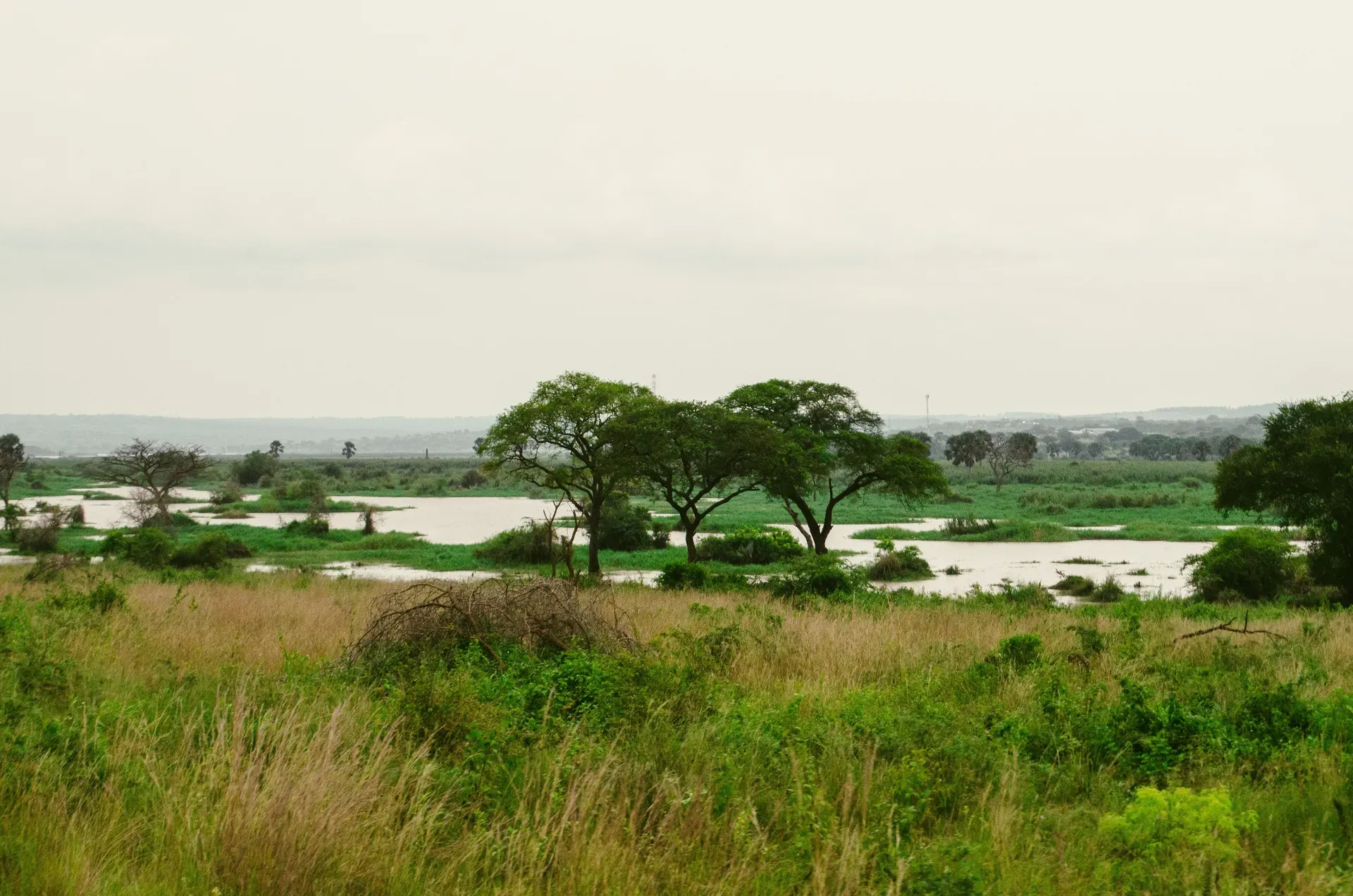
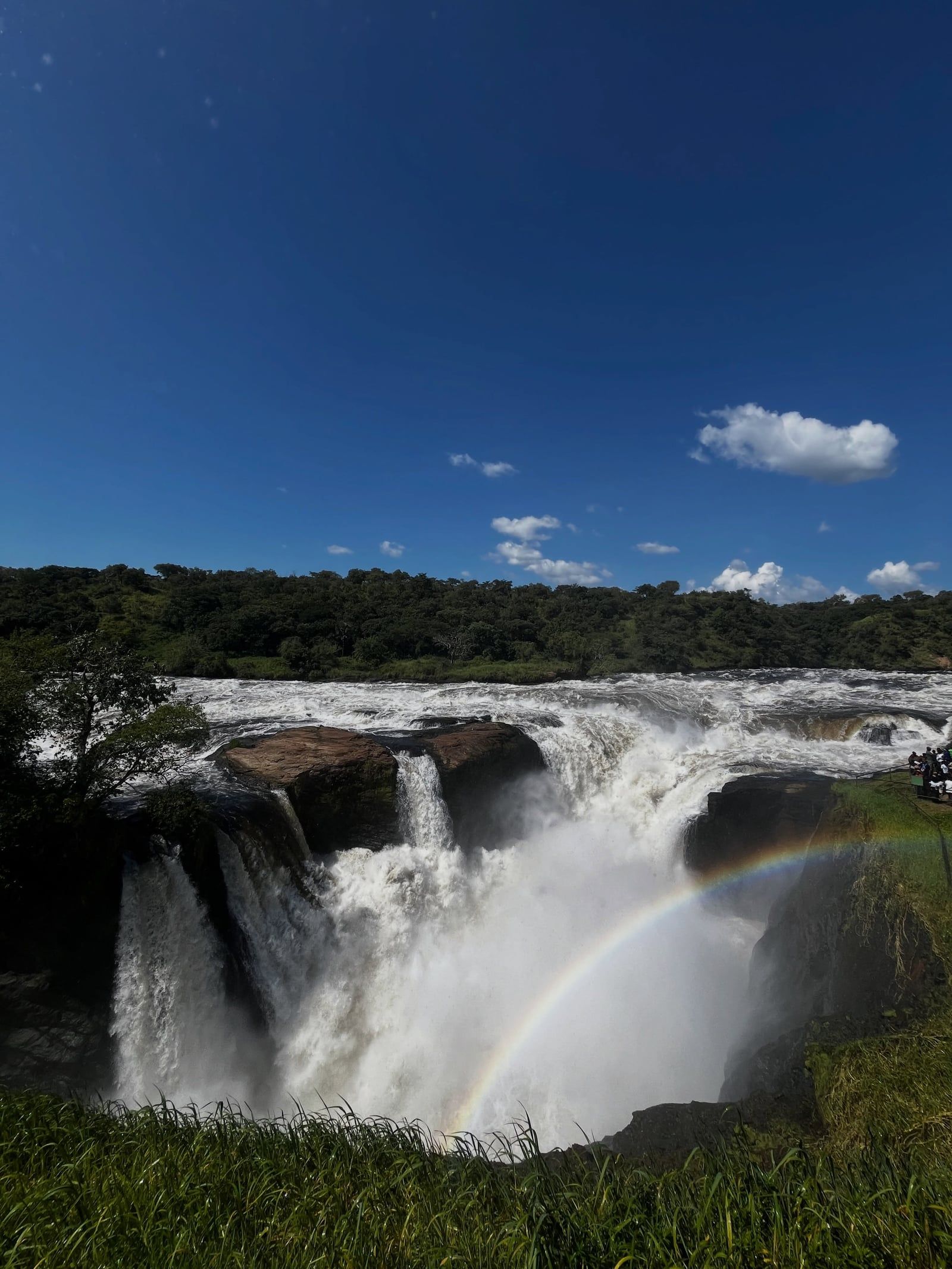
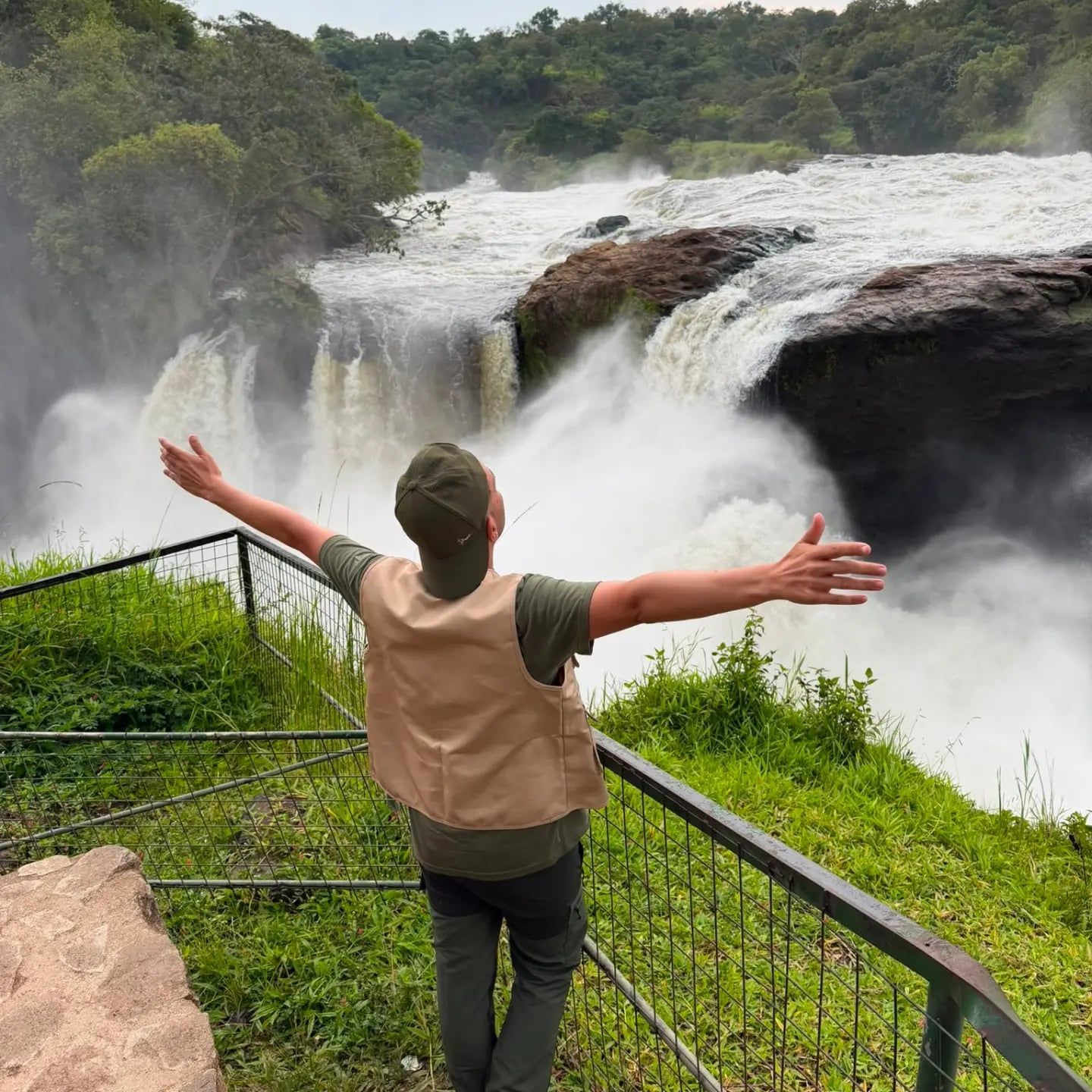
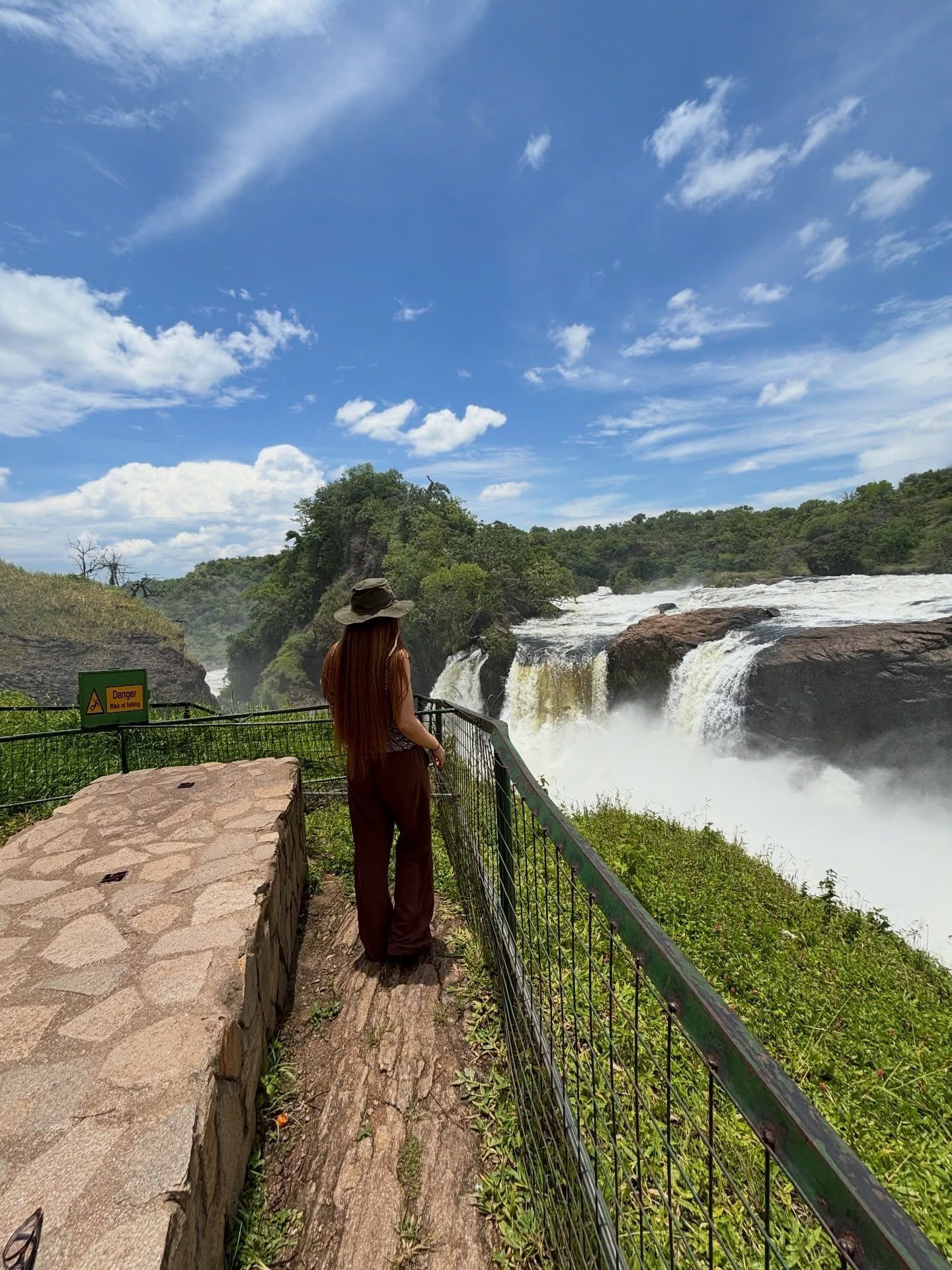
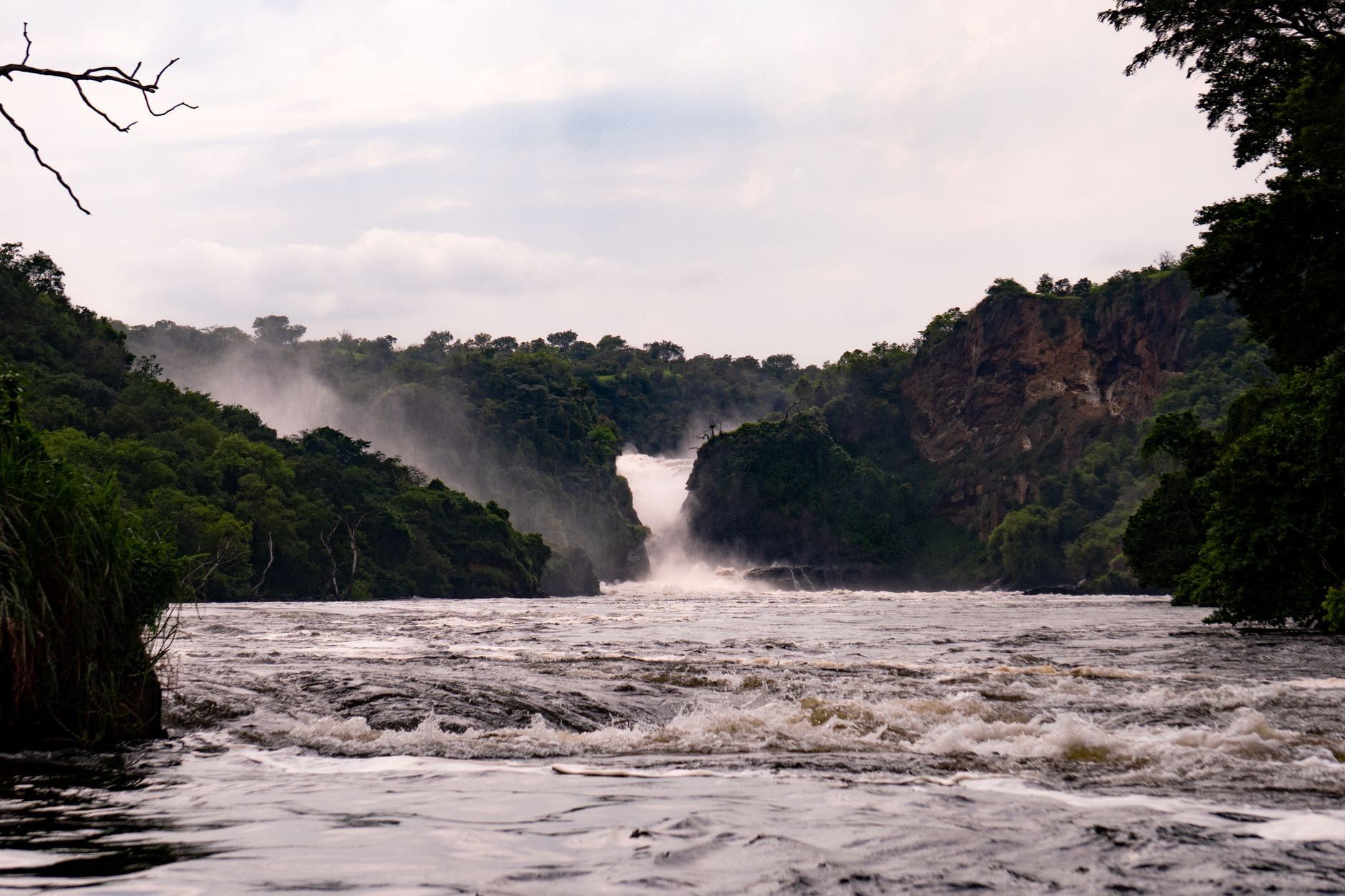
The entire Victoria Nile squeezes through an 8-metre gorge here before dropping 45 metres into the Devil's Cauldron, a waterfall so forceful the ground shakes at the top. Uganda's oldest and largest park holds 144 mammal species across 3,840 km² of palm-dotted savanna, and a three-day stay covers the launch trip to the falls, Buligi game drives and a delta cruise for shoebill storks.
Find Guided ToursThe Victoria Nile squeezes through an 8-metre gorge and drops 45 metres into what's called the Devil's Cauldron — the centerpiece of Uganda's oldest and largest national park. Murchison Falls covers 3,840 km² of savanna, woodland and riverine forest in the country's north-west, spread across Buliisa, Masindi, Kiryandongo and Nwoya districts. The river bisects the whole park, and it's the reason this is Uganda's flagship savanna safari destination and most visited park.
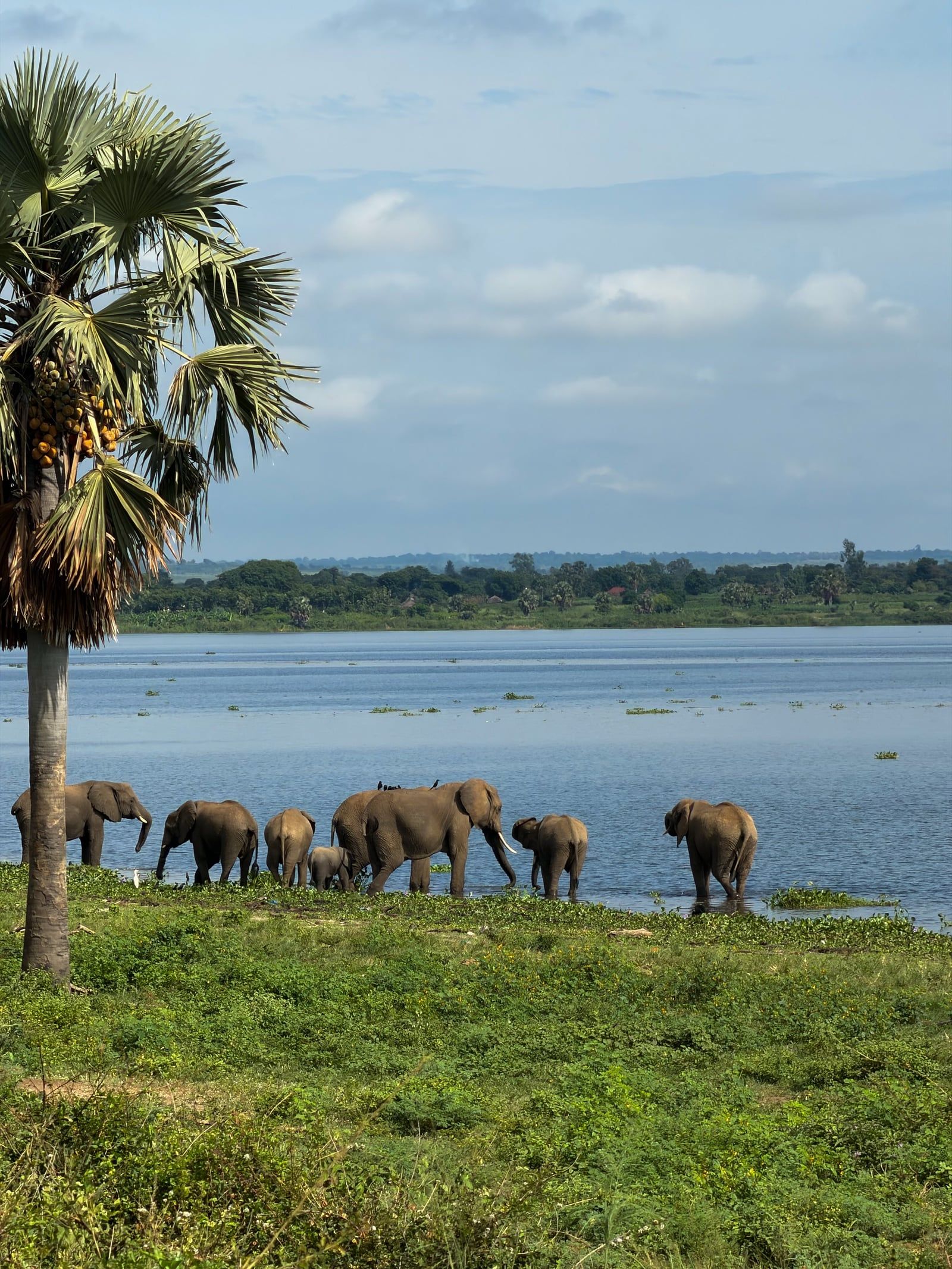
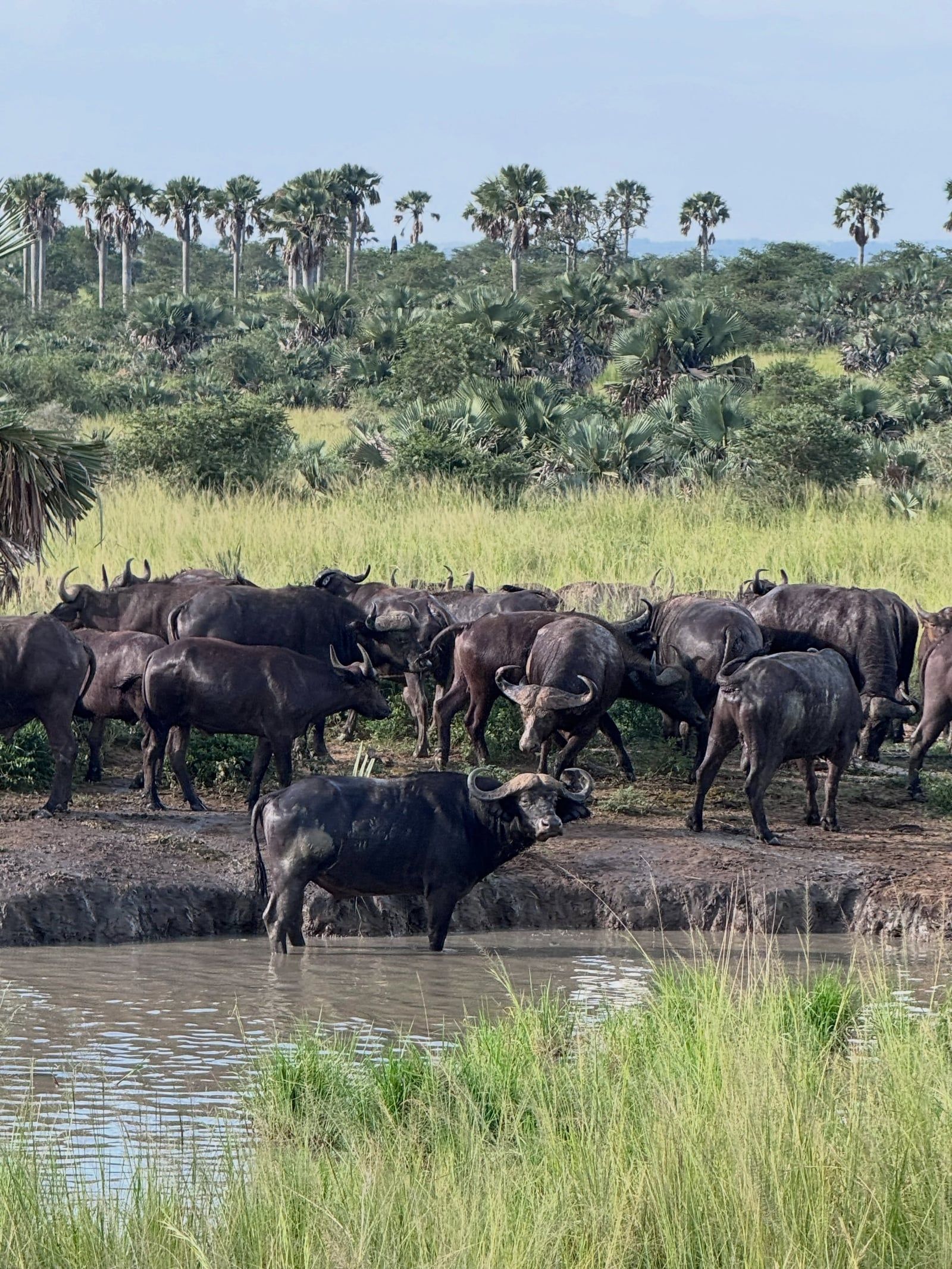
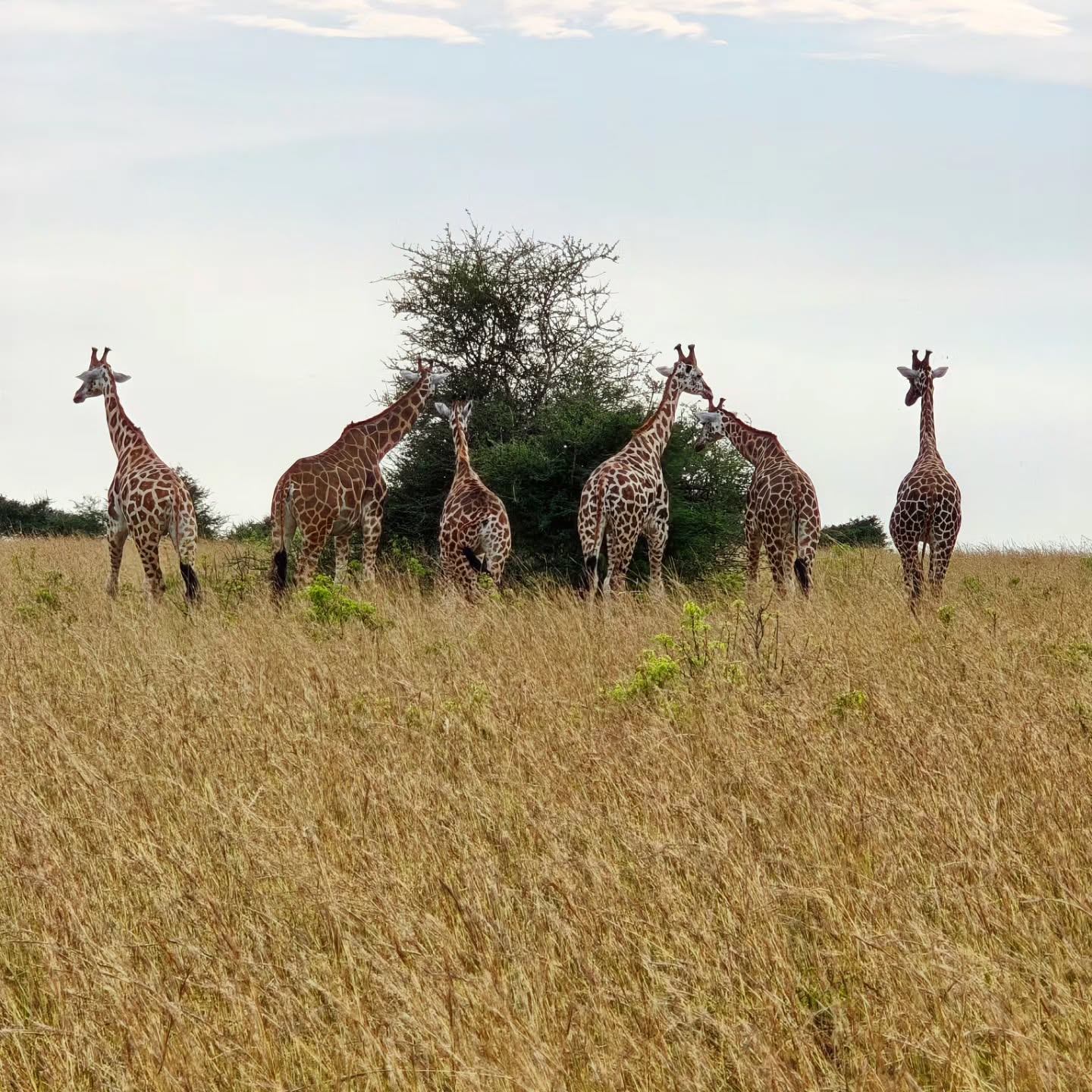
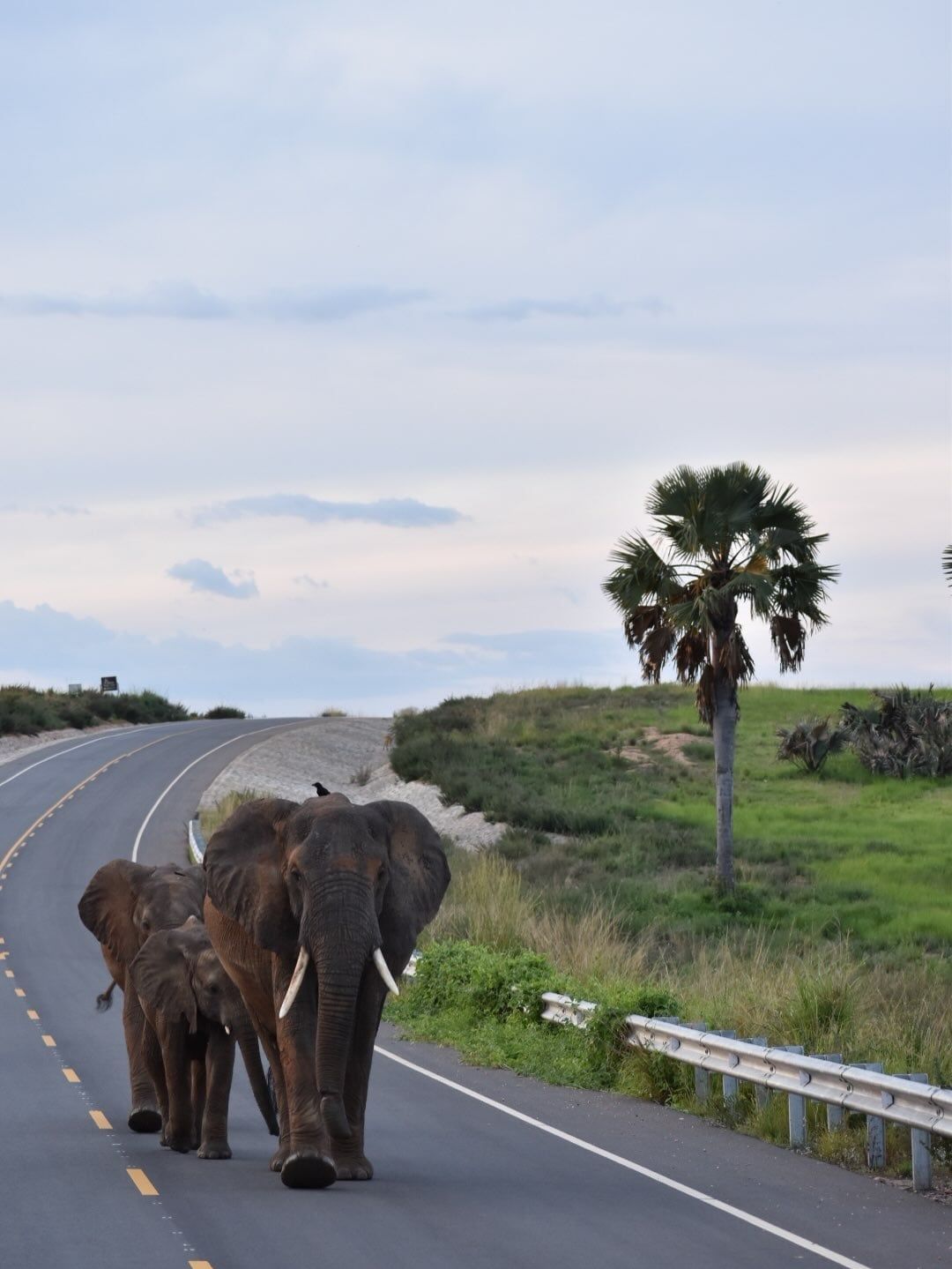
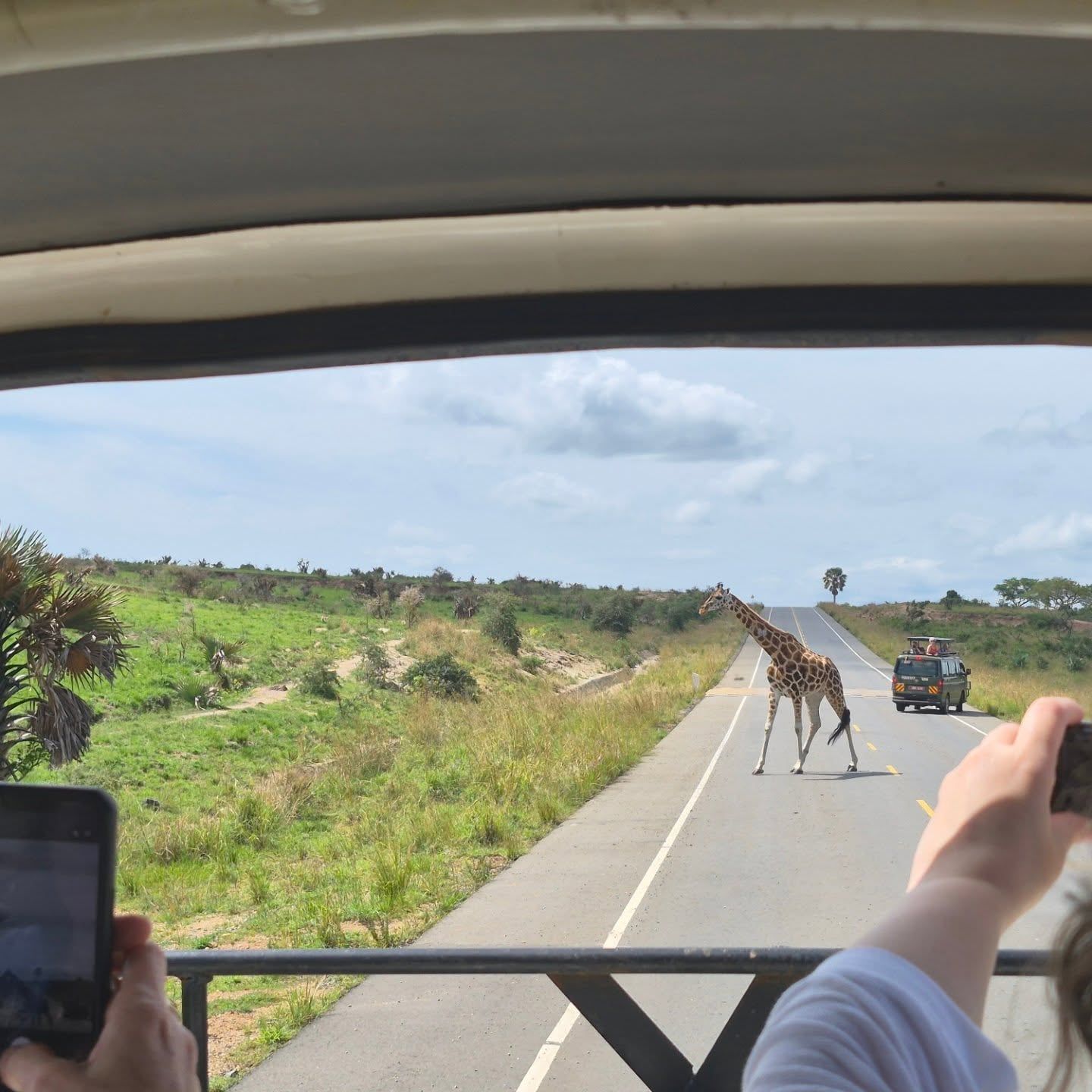
The wildlife numbers back the reputation: 144 mammal species, 556 birds, 51 reptiles and 51 amphibians. Giraffes, elephants, buffalo, Uganda kob and lions concentrate on the Buligi Peninsula north of the river, while the Albert Nile delta is one of Africa's most reliable places to see the shoebill stork. Chimpanzees live in the Budongo Forest on the southern edge.
Europeans first saw the falls in 1864, when explorers Samuel and Florence Baker named them after Sir Roderick Murchison. Protection came in stages: a game reserve gazetted in 1926, the Bunyoro Game Reserve created south of the Nile in 1910 and extended north in 1928, then national park status under Uganda's National Parks Act of 1952. By the 1960s an estimated 15,000 elephants roamed here, and the park ranked among Africa's best known. Idi Amin renamed it Kabalega National Park in 1972, after Bunyoro's King Kabalega; the name later reverted.
The falls have drawn an unusual guest list. Winston Churchill, Theodore Roosevelt and Ernest Hemingway all came — Hemingway survived two plane crashes while visiting. In 1951, Humphrey Bogart and Katharine Hepburn filmed 'The African Queen' on the park's Lake Albert and Nile stretches.
Discover the full history and cultural significance on our About page.
The UWA launch leaves Paraa for a 2-hour run upriver past bathing buffalo, hippos and Nile crocodiles, then stops at Baker Point beneath the falls. Here the entire Victoria Nile squeezes through an 8-metre gorge and drops 45 metres, throwing up spray with a permanent rainbow.
Cruise downstream from Paraa toward Lake Albert through papyrus swamp where the Albert Nile delta ranks among Africa's most reliable spots for the shoebill stork. Goliath herons and saddle-billed storks share the channels. Bring a long lens; the prehistoric-looking shoebill tends to stand motionless, sometimes for ages.
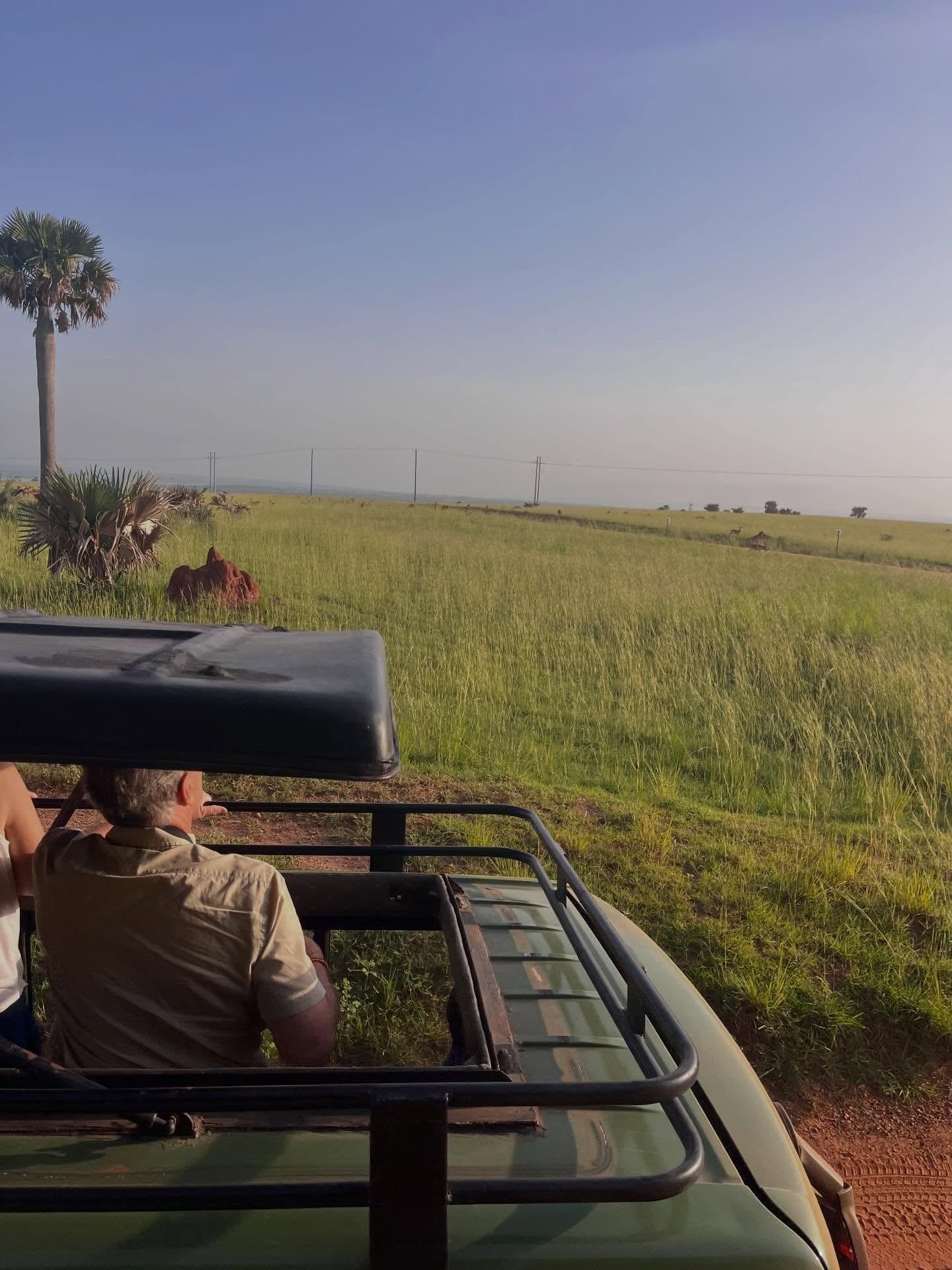
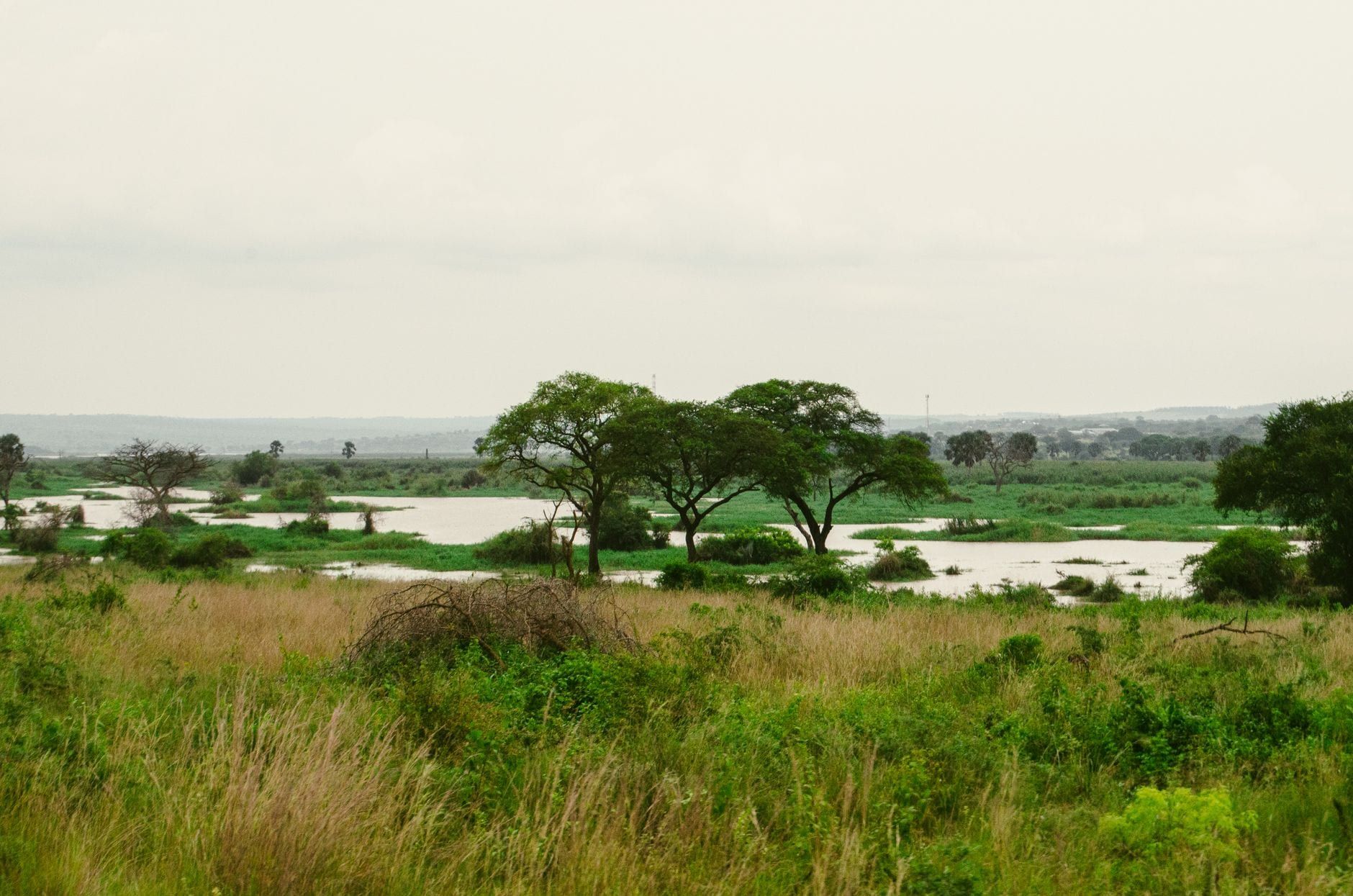
The Buligi Peninsula tracks between the Victoria Nile and Lake Albert are the park's best game country. Go at dawn or late afternoon: elephants, giraffes, buffalo, Uganda kob and lion prides are seen most often then. The open savanna here is dotted with Borassus palms below the Bunyoro escarpment.
In the Kaniyo Pabidi block near the Kichumbanyobo gate, guided walks of 2-4 hours wind through virgin mahogany and ironwood forest sheltering more than 600 chimpanzees. You'll spend one hour with a habituated family. Permits must be arranged in advance, and trekkers must be at least 12 years old.
Book a 2-to-5-day safari from $200 with private transport, game drives, and a Nile boat cruise — most include free cancellation.
Swipe to see more
The best time to visit Murchison Falls National Park is during the dry seasons of June–September and December–February, when the murram tracks stay passable and wildlife concentrates along the Nile and waterholes. Avoid April, May, October and November, when heavy rain muddies the roads and animals disperse into thick vegetation.
April and May are among the park's wettest months. Rain turns the dirt tracks to mud, the top-of-the-falls rocks get slippery, and wildlife disperses into thicker cover — though the scenery is lush and lodges are quieter.
The heart of the June–September long dry season and the park's most popular travel window. Little rain keeps the murram tracks passable, vegetation thins out, and animals gather along the Nile and at waterholes.
September is still dry and productive, but October and November bring the second rainy peak — muddy roads, slippery falls rocks and dispersed wildlife. Book lodges early if you're targeting September.
Equally good game-viewing as mid-year, with thin vegetation and animals concentrated near water. January and February get hot — around 29–34°C at midday — so plan downtime between the morning and afternoon boat departures.
Murchison Falls National Park is open daily from 7:00 AM to 7:00 PM, and the Uganda Wildlife Authority states there are no exceptions to these hours — gates close at 7:00 PM sharp, so plan drives and crossings to exit before then. There are no seasonal variations in opening hours. The Paraa vehicle ferry, when it operates, also runs 7:00 AM–7:00 PM with scheduled crossings at roughly 07:00, 09:00, 11:00, 12:00, 14:00, 16:00, 18:00 and 19:00, but since the Paraa bridge opened in 2021 the bridge is the normal crossing and the ferry runs only during bridge maintenance or exceptional water levels. Launch trips depart in daylight windows, commonly around 8–9 AM and 2–3 PM.
| Category | Price |
|---|---|
| Adult entrance — foreign non-resident (FNR) | US$45 |
| Adult entrance — foreign resident (FR) | US$35 |
| Adult entrance — Rest of Africa (ROA) nationals | US$30 |
| Adult entrance — East African (EAC) citizens | UGX 25,000 |
| Child entrance (ages 5–15) — foreign non-resident | US$25 |
| Child entrance (ages 5–15) — foreign resident | US$15 |
| Child entrance (ages 5–15) — Rest of Africa nationals | US$10 |
| Child entrance (ages 5–15) — East African citizens | UGX 10,000 |
| Children under 5 | Free |
| Ugandan pupil/student groups | UGX 3,000 |
| Vehicle entry — saloon car, foreign-registered | US$40 (plus US$10 MFNP surcharge) |
| Vehicle entry — saloon car, Ugandan-registered | UGX 20,000 (plus UGX 10,000 MFNP surcharge) |
| Vehicle entry — tour-company vehicle or 4WD, foreign-registered | US$150 |
| Vehicle entry — tour-company vehicle or 4WD, Ugandan-registered | UGX 30,000 |
| Vehicle entry — bus or lorry, foreign-registered | US$200 |
| Vehicle entry — bus or lorry, Ugandan-registered | UGX 200,000 |
| Launch trip to the bottom of the falls (about 2 hours, max 45 passengers) | US$30 FNR / US$25 FR / UGX 30,000 EAC |
| Top of the Falls hike (about 45 minutes from Baker Point) | US$15 FNR / US$10 FR / UGX 10,000 |
| Viewing the Top of the Falls | US$10 / UGX 10,000 |
| UWA game-drive vehicle | US$30 per person (day) / US$40 per person (night) |
| Guided day game drive (per guide) | US$25 |
| Self game drive (per vehicle) | US$10 |
| Birding / day nature walk | US$25 FNR / US$20 FR |
| Sport fishing | US$50 per day (US$150 for 4 days) |
Prices follow the official UWA Conservation Tariff for July 2024–June 2026; Murchison Falls is a Category A+ park. A day ticket is valid 24 hours from entry, and extra time is charged as an extra day. Entrance and activity fees are separate — the launch cruise, falls hike, game drives, birding walks and sport fishing are all paid on top of your entry ticket. Payment is accepted at UWA gates or the reservations office via mobile money (Airtel Money/MTN MoMo), POS machines, bank transfer or the online portal; keep every receipt, as officials verify them. Chimpanzee tracking permits in Budongo/Kaniyo Pabidi must be arranged in advance, and night game drives are restricted to tourists sleeping inside the park and require a mandatory UWA guide. UWA has also piloted free 'Open Park Days' for Ugandans, first held 17–18 October 2024. Under the Uganda Wildlife Act, 20% of park entry fees go to neighboring communities. Visitors may be asked to present valid identification to confirm resident status.
For complete schedules and ticket prices, visit our Hours & Fees page.
The park lies 305 km (190 mi) north of Kampala, roughly 4–5 hours by road via Luweero, Nakasongola and Masindi to the Kichumbanyobo gate, with Paraa a further 85 km on. Flying is the fast alternative: scheduled and charter flights from Entebbe reach the Pakuba, Chobe or Bugungu airfields in about an hour. Gates are open 7:00 AM–7:00 PM daily, with no exceptions.
📍 No street address exists — Murchison Falls National Park covers 3,840 km² across the Buliisa, Masindi, Kiryandongo and Nwoya districts of north-western Uganda. The main visitor hub is Paraa, on the Victoria Nile about 85 km north of Masindi town, entered through the Kichumbanyobo gate.
The main route runs Kampala–Luweero–Nakasongola–Masindi on sealed road, then 85 km to Paraa through the Kichumbanyobo gate. Most drivers break the trip at Ziwa Rhino Sanctuary, which sits on the same surfaced road roughly midway. Take a 4x4, especially in the rains when the murram tracks inside the park turn muddy, and budget the US$10 per-vehicle self-drive fee. Gates shut at 7:00 PM sharp, so leave Kampala by early afternoon.
AeroLink Uganda flies scheduled services several days a week from Entebbe International Airport (or Kajjansi Airfield), typically departing around midday and arriving about an hour later. Pakuba is the most convenient airfield for the lodge cluster around Paraa; Chobe and Bugungu are alternatives. It's the clear choice if you'd rather skip five hours of bumping along murram — at a price.
Catch a bus or shared taxi from Kampala to Masindi town — cheap and frequent — then hire a private car or taxi for the roughly 85 km run to the Paraa area via the Kichumbanyobo gate. You can't reach the park on public transport alone, so the final leg needs negotiating. Allow a full day door to door including the transfer. Good option for backpackers with time.
A pre-booked transfer covers 273 km from Entebbe via the Entebbe–Kampala Expressway and the sealed highway through Luweero and Nakasongola before the savanna approach to Masindi. No navigation, no border paperwork at the gate — the driver handles it. Bookable through transfer platforms, most lodges and tour operators. This is the one to pick if you're arriving on a late flight; just don't aim to enter the park after 7:00 PM.
For detailed transport options and routes, visit our Directions page.
Tsetse flies swarm to dark clothing, so pack khaki, beige, or olive long sleeves and trousers instead. Their bites sting badly even though your sleeping-sickness risk as a tourist is very low. Keep vehicle windows up in fly zones, wear closed shoes, and bring DEET repellent — mosquito density here is high and malaria prophylaxis is essential.
UWA closes the gates at 7:00 PM daily with no exceptions, and enforces the 40 km/h speed limit with immediate fines. Budget generous margins for the long, bumpy drives — the Paraa hub is about 85 km from Masindi town. Transit vehicles can't stop along the Kichumbanyobo–Tangi road, and going off it counts as unpermitted entry.
Book the launch trip from Paraa to Baker Point, about 2 hours upriver past hippos and crocodiles (US$30 for foreign non-residents), then hike 45 minutes to the Top of the Falls viewpoint (US$15) with a 4x4 meeting you on the south-bank road. You get the 45-metre plunge from both angles in one outing. The rocks at the top are wet and slippery — no selfies at the edge.
Pay entrance and activity fees by mobile money (Airtel Money or MTN MoMo), POS, bank transfer, or UWA's online portal, then keep every receipt — officials verify them at checkpoints. Your day ticket runs 24 hours from entry, so extra hours count as an extra day. Budget vehicle fees too: a foreign-registered saloon pays US$40 plus a US$10 park surcharge on top of per-person entry.
Chimpanzee tracking in Budongo's Kaniyo Pabidi block, near the Kichumbanyobo gate, requires a permit arranged in advance — unlike most park activities, which you can pay at the gate. Treks last 2–4 hours through mahogany and ironwood forest, with one hour beside a habituated family of the 600-plus chimps. Minimum age is 12. Add a fourth day to your itinerary for this.
Game drives and the launch cruise suit older travelers well — neither requires walking, the boat provides life jackets, and you can drive straight to the Top of the Falls viewpoint instead of taking the steep 45-minute hike from Baker Point. Just plan rest stops: the Kampala drive runs 4–5 hours on rough roads. A few Paraa-area lodges have wheelchair-friendly rooms, but arrange accessible vehicles and assistance with your operator beforehand.
Walk with white rhinos and trained rangers at Uganda's only rhino sanctuary — the piece that completes your Big Five. It sits on the surfaced Kampala–Masindi road, so it's the natural place to break the drive in or out.
Track chimpanzees through virgin mahogany and ironwood forest — a 2–4 hour guided walk with one hour beside a habituated family. Over 600 chimps and some 360 bird species live here. Permits must be arranged in advance.
The Victoria Nile thunders over rapids beside Karuma bridge in this 678 km² reserve on the park's north-eastern boundary. It's the usual gateway if you're coming from Gulu, and a scenic stop on the Kampala–Gulu highway.
Read what travelers share about their experience visiting Murchison Falls National Park — from practical tips to personal highlights.
Planning advice, comparisons, and practical tips.
Murchison Falls National Park has around twenty lodges, camps and rest camps spread across both banks of the Nile, and the one you pick changes your…
A Murchison Falls safari gives you two safaris in one: open savanna game drives where giraffe and elephant move through Borassus palms, and a boat…
Under the official UWA tariff (July 2024–June 2026), foreign non-resident adults pay US$45 and children aged 5–15 pay US$25; East African citizens pay UGX 25,000 and UGX 10,000 respectively, and under-5s enter free. A day ticket is valid for 24 hours from entry, with extra time charged as an extra day. Budget for vehicle entry too — a foreign-registered saloon car pays US$40 plus a US$10 park surcharge.
The park operates 7:00 AM to 7:00 PM daily, and UWA enforces these hours with no exceptions — time your drives so you're out before the gates close. Launch trips depart in daylight windows, commonly around 8–9 AM and 2–3 PM.
It's 305 km (190 mi) north of Kampala, a 4–5 hour drive to the southern entrance via Luweero, Nakasongola and Masindi to the Kichumbanyobo gate. Flying is faster: scheduled and charter flights from Entebbe or Kajjansi reach the Pakuba, Chobe or Bugungu airfields in about an hour, with charters from roughly US$284.45 per adult one way.
Aim for the dry seasons of June–September or December–February, when tracks stay passable and wildlife concentrates around the Nile and waterholes. Skip April, May, October and November if you can — heavy rain turns the murram roads muddy, the top-of-the-falls rocks get slippery, and animals disperse into thicker vegetation, though lodges are quieter and birding is good.
Pack neutral earth tones — khaki, beige, olive — in long sleeves and full-length trousers, and avoid black and dark blue, which attract biting tsetse flies. Closed shoes, a wide-brimmed hat and a warm fleece for cold dawn drives in open vehicles will cover you. Insect repellent is essential; the area has high mosquito density and malaria is common in Uganda.
The UWA launch trip from Paraa to Baker Point costs US$30 for foreign non-residents, US$25 for foreign residents and UGX 30,000 for East African citizens, and takes about 2 hours with a maximum of 45 passengers. Add US$15 for the 45-minute Top of the Falls hike, or US$10 to drive to the viewpoint instead — the hike is steep and needs moderate fitness.
Most fees — entry, launch trips, game drives, birding walks — can be paid at the park gates or reservations office via mobile money (Airtel Money/MTN MoMo), POS, bank transfer or the online portal, so keep every receipt. Chimpanzee tracking permits in Budongo/Kaniyo Pabidi must be arranged in advance, and night game drives require a UWA guide (US$40 per person) and are limited to guests sleeping inside the park.
There's no formal wheelchair-accessible trail infrastructure and the game-viewing tracks are rough dirt roads, but the 2-hour Nile launch cruise requires no walking and provides life jackets, making it the most practical experience. Some lodges near Paraa have wheelchair-friendly rooms — arrange an accessible vehicle and assistance with your lodge or operator in advance. For seniors, the Top of the Falls hike is steep, but you can drive to the viewpoint instead.
Browse verified tours with free cancellation and instant confirmation.
Find Tours


